CAN-Bridge · converter · VR → CAN
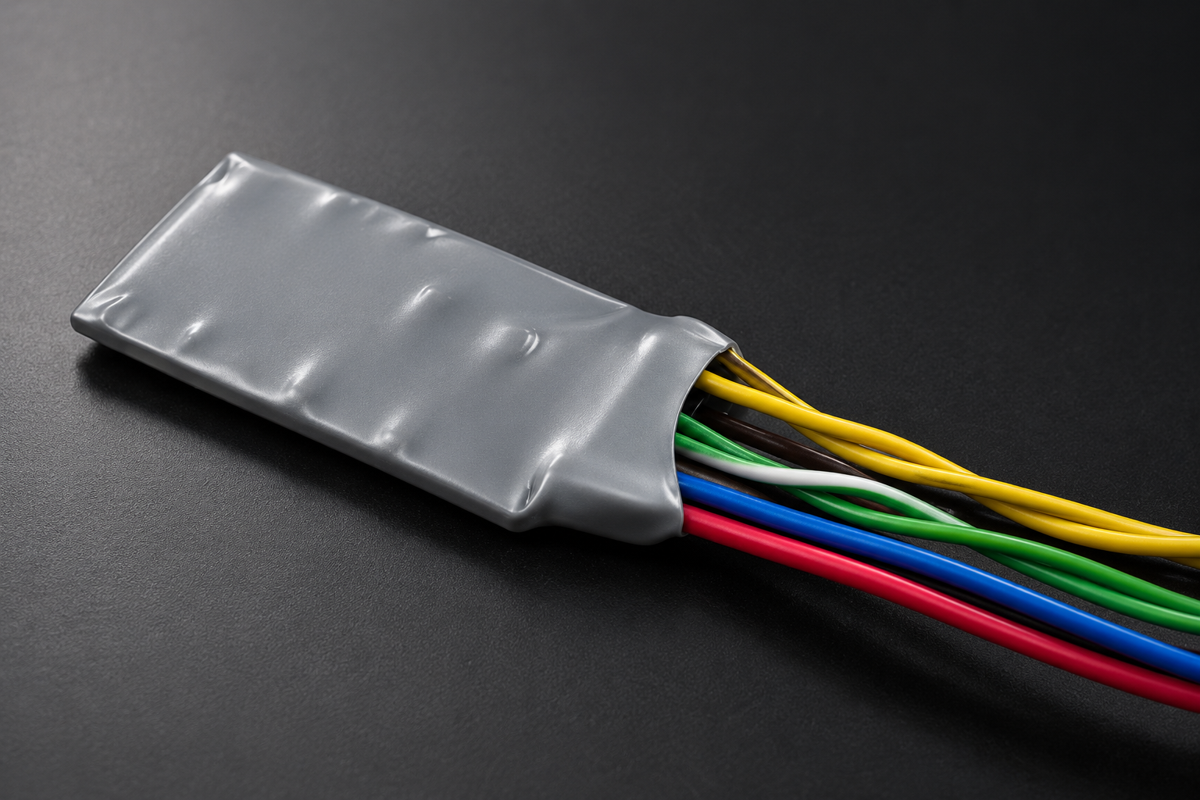
A small electronic circuit that reads the analog signal from a VR-type ABS sensor and converts it into a CAN bus signal matching the speed data sent by the original Mercedes ABS/ESP module. From one sensor's reading it simulates all four wheels.
Description
The MB ABS Analog-CANBus Converter is a small electronic device for reading the analog signal from a VR-type ABS speed sensor and converting it into a CAN bus signal matching the speed signal sent by the original Mercedes ABS/ESP module. From a single sensor's reading the device simulates all four wheels of the car.
The circuit makes it possible to run the original 5G-Tronic (722.6) gearbox controller, because besides engine CAN data the EGS51 / EGS52 / EGS53 controller also needs data from the ABS/ESP module. Without a correct speed signal the gearbox won't work properly — this converter fills the missing piece in SWAP projects.
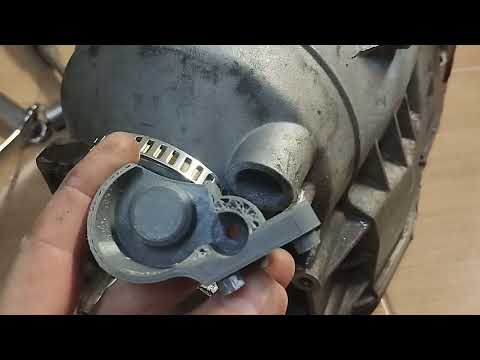
A set was also designed consisting of an ABS ring on a bracket and a VR sensor. The whole assembly, mounted on the gearbox output, allows correct vehicle speed reading.
Key features
Reads the analog signal from a VR-type (reluctance) ABS speed sensor.
From one sensor it simulates the speed data of all four wheels.
CAN output matching the speed signal of the original Mercedes ABS/ESP module.
Supplies the EGS51/52/53 controller with the speed data required for 5G-Tronic operation.
Optional set: an ABS ring on a bracket and a VR sensor mounted on the gearbox output.
A small circuit for easy mounting in SWAP projects with a 12 V CAN bus.
Specifications and manual
| Conversion | VR → CAN |
| Input | VR sensor (reluctance) |
| Support | 722.6 / EGS51/52/53 |
| Gearbox | 5G-Tronic |
| Power | 12 V |
Sensor wiring, mounting the ring + sensor set and configuring the speed signal.
Legal notice
Seaside Customs Garage products are intended for motorsport, research-and-development and workshop use, in vehicles not admitted to public roads. They have no road homologation. Use on public roads is solely at the Buyer's risk and responsibility and may void homologation, insurance and warranty. Responsibility for the manner of use, installation and compliance with local regulations rests solely with the user.